A NetSuite Partner.Not a Project.
Nearly twenty years of NetSuite — implemented, rescued, and managed — for medical device makers, food and beverage brands, telecom operators, and the manufacturers and distributors who supply them.
Narrow focus. Deep expertise. No handoffs.














Small enough to care. Senior enough to deliver.





17
Years on NetSuiteExperience that spans the platform’s evolution and the business systems built around it.
7
Avg. years per clientLong engagements, low turnover, institutional memory.
Luxent is a women-owned ERP consultancy built on transparency, accountability, and long-term relationships — not short-term sales. We get your licensing right the first time, build systems around how you actually operate, and make sure your teams know how to use them.
Meet the team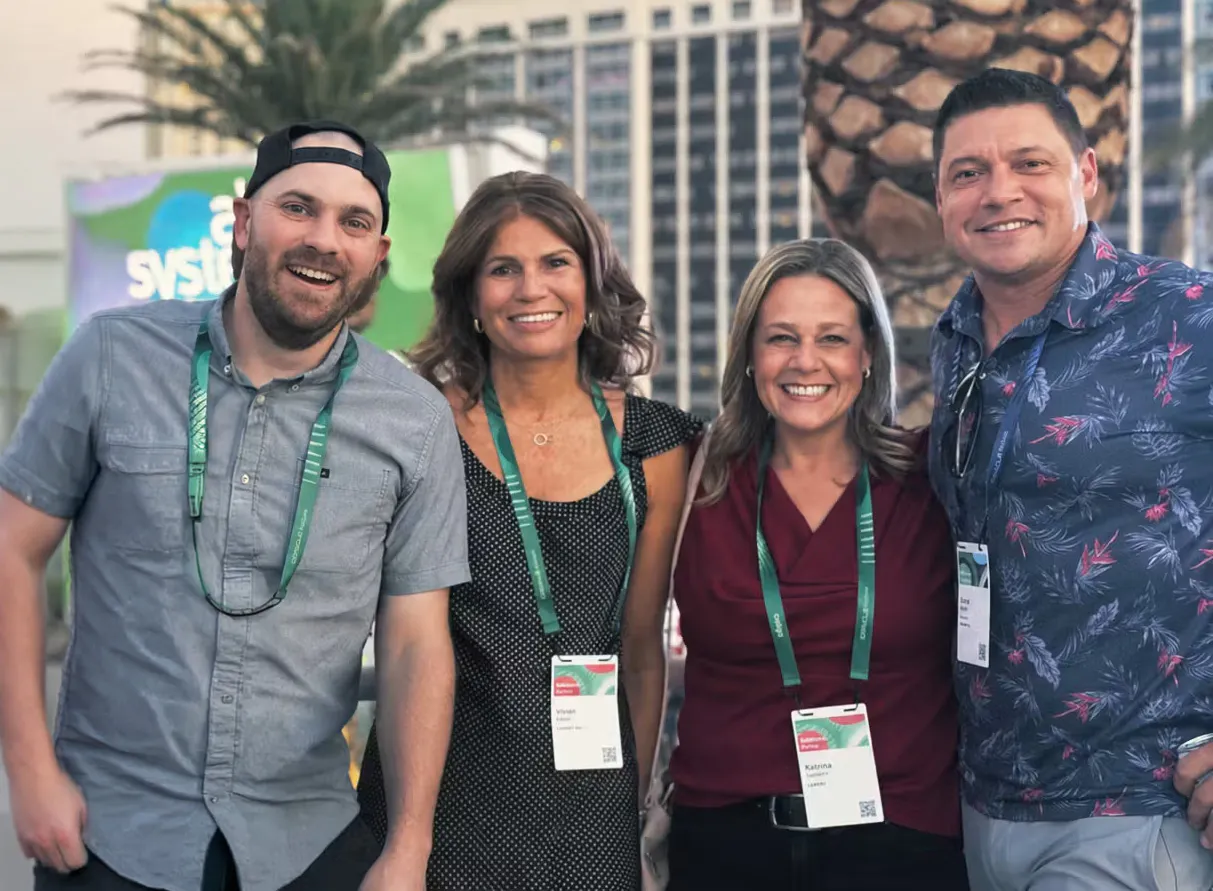

We tried a bunch of specialized solutions, we tried a fully custom ERP. We failed with both. NetSuite, and Luxent's expertise to set it up properly, is the game-changer we were looking for.
A NetSuite partner built differently
- Team continuity
The people you talk to are the people who do the work.
No sales-to-delivery handoff. No rotating junior resources. Your implementation lead is on your discovery call, runs your project, and stays through optimization. That's the advantage of a boutique partner: everyone's senior, and nobody's on the bench.
The Luxent team was deeply embedded with us throughout the process — they didn't just fix problems, they helped us rethink how we worked.
 Dean BallewEVP Operations · Day Wireless
 - Industry depth
We've built NetSuite for your industry. No generic playbooks.
Manufacturing, medical device, food and beverage, wireless telecom, and wholesale distribution. Each has its own workflows, compliance requirements, and edge cases. We stay in our lanes.
Luxent's NetSuite consulting team was extremely knowledgeable, had great industry experience, and knew the validation process.
 Nathan JoynerFinancial Systems Manager · SHINE Medical
 - Proprietary IP
We build tools, not just configurations.
Most partners only configure standard NetSuite features. We build our own: iQ CPQ for complex quoting, and LiNK for real-time Salesforce to NetSuite synchronization. We have shipped these products to hundreds of companies.
- Up front costs
We believe pricing should be easier to understand
We are completely transparent about cost, scope, and tradeoffs before work begins. Some services require deeper scoping than others, but the goal is always the same: fewer surprises, clearer decisions, and an exact understanding of what you pay for.
Start with a scope, not a sales call.
Testimonial 1 of 2: Mike Dominick


It's the engagement style of Luxent with our company that made the difference. That shoulder-to-shoulder approach — how do we solve this, how do we find the answer — versus tell me a requirement and let me go build it.
Mike Dominick
VP IT · Marketlab
Proof in practice
How we solve complex NetSuite challenges.
Explore the exact problems, our approach, and the hard metrics from our most successful engagements.


Medical Device
Aurora Spine
How a publicly traded spinal implant maker traded QAD and Excel for real-time visibility on NetSuite


Manufacturing
Hydro-Chem
How Hydro-Chem Solutions leans on Luxent's LUXSupport managed services and Matrix iQ quoting to keep its NetSuite ERP running — and its quotes accurate.


Food & Beverage
BERO
How a premium non-alcoholic beer brand skipped the spreadsheet phase and launched on NetSuite



Luxent has been one of the best partners I’ve worked with when it comes to Salesforce and NetSuite development."
Who we bring in when NetSuite needs a specialist
No ERP does everything well. Tax, payments, warehouse scanning, EDI, quality management and payroll all live with specialists — so we keep working relationships with the vendors that do them properly, and bring the right one in when your build needs it.
















- Faster NetSuite integrations
- Specialized SuiteCommerce expertise
- Global consulting partners
- Proven technology platforms
- Co-created solutions
- Shared success stories